
Wizard's First Rule — Terry Goodkind
FANTASY
6/16/20261 min read
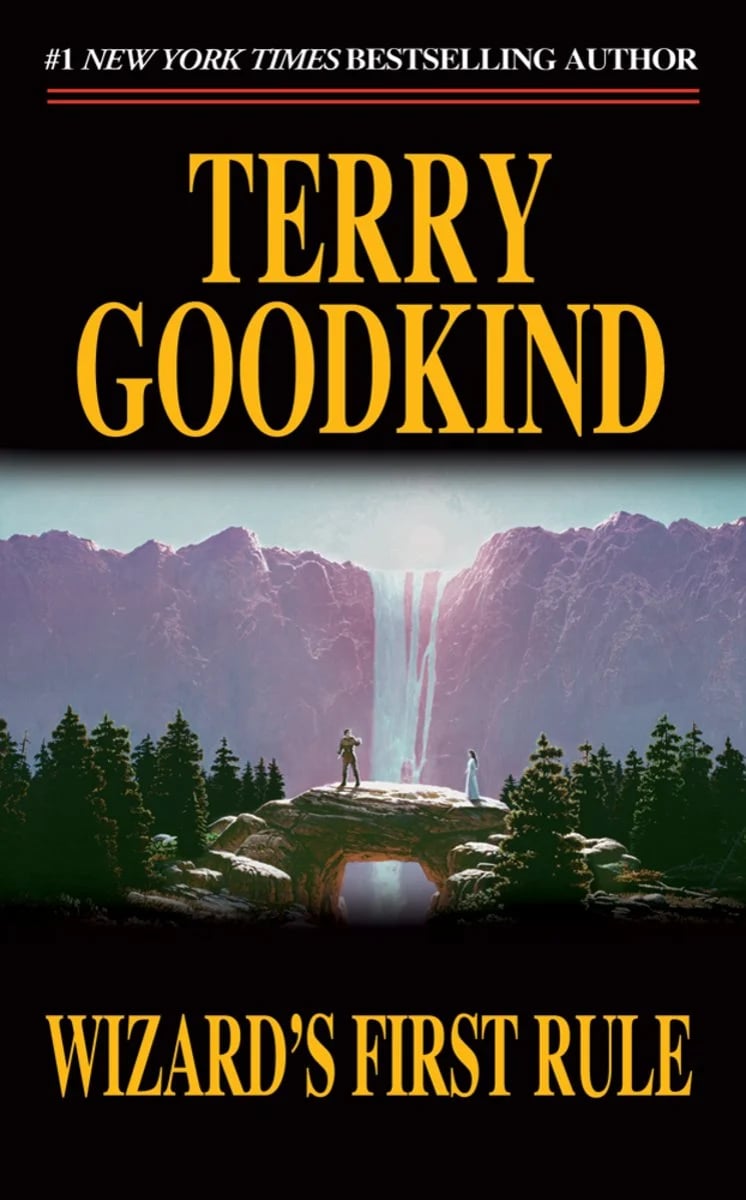
Terry Goodkind's 1994 novel opens with a rule, not a prophecy. The wizard's first rule is this: people are stupid. They will believe a lie because they want it to be true. Or because they are afraid it might be.
That is not a comfortable place to start a fantasy novel. Most fantasy assumes the hero will see clearly, that truth will win, that the goodness of the cause will eventually be recognized. Goodkind plants his flag somewhere else. The central problem, he argues, is not the enemy. It is the human capacity for self-deception.
Richard Cypher, the protagonist, is not a warrior or a trained wizard. What sets him apart is simpler: he pays close attention. He notices what is actually there rather than what he expects to find. That quality — seeing clearly, without political calculation or the paralysis of incomplete information — is what the entire story tests.
The villain, Darken Rahl, is not simply cruel. He is a man who has built a system of power on the wizard's first rule. He exploits self-deception with precision. He offers people what they want to believe. He manufactures fear where belief alone is not enough. He does not have to lie to everyone. He only has to understand how people lie to themselves.
This is not a fantasy premise. This is a description of how power actually works.
The full essay on Substack explores what this means for the Watchfulness stage of the Lantern Path — and what Richard's most difficult season in the book reveals about what we are made of when the scaffolding comes down.
Read the full essay on Substack →
Wizard's First Rule is available at Bookshop.org* and Amazon.com*. Purchasing through these links supports Struggle Society at no extra cost to you.
This post contains affiliate links*.